Sewer clogs in Bird Bay, Venice, are rarely just about one pipe under one yard. In a golf-course condo and villa community, the line that serves your unit may also serve a neighbor, and the question of who looks after which stretch can matter as much as what the pipe is doing. The local pro's first job is to find out what is happening inside the line, then point you toward the right next step.
We connect you with experienced local pros who are used to working around shared walls, common landscaping and shared access points. Calls are answered 24/7, and the technician starts with a camera so the conversation is based on what is really in the pipe.
The Bird Bay condo sewer pipe and how it differs from a house line
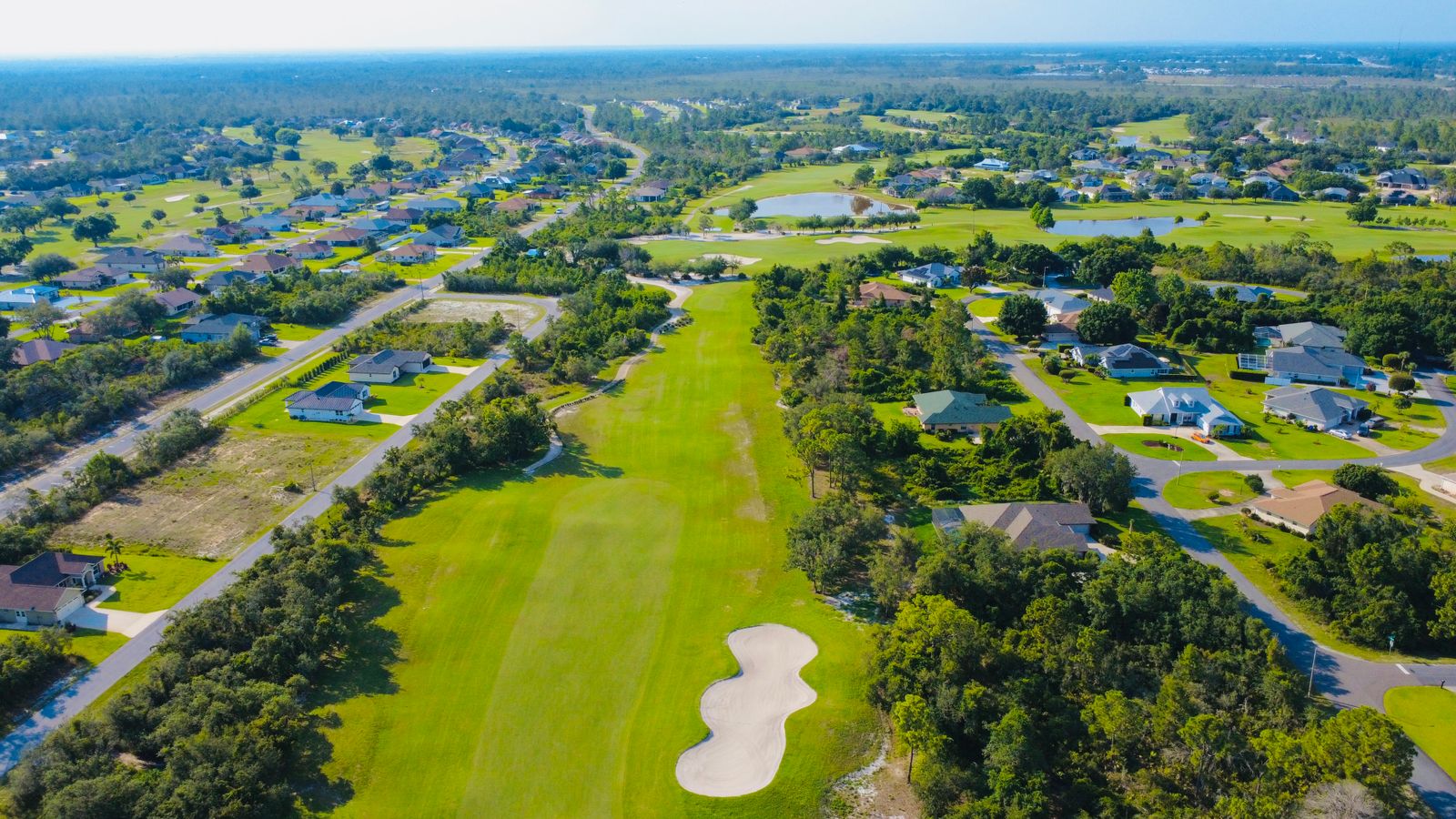
Bird Bay is a golf-course community on the mainland side of Venice, east of the Intracoastal Waterway, with condos and villas. In condo and villa communities, a lateral may serve more than one unit, and that makes the Bird Bay condo sewer pipe a shared concern.
That arrangement creates a different set of facts than a detached house on its own lot. A stoppage in a shared branch can show up in a unit that did nothing wrong, usually the one at the lowest point. A crack in a shared stretch can affect several households at once. And a line that passes under a courtyard, a walkway or a parking area is not always easy to reach.
Newer plastic pipe is likely, but the camera confirms. A few older runs or earlier phases could include different material, so no one should assume that every unit matches.
Part of the line may be the association's, so ask your association what applies to your building. The paperwork you received at purchase is the first place to look.
Sewer clogs in Bird Bay: roots, landscaping and what usually goes wrong
Trees and shrubs placed close to buildings send roots toward any joint that seeps moisture. Roots that enter a seam can spread into a net that catches paper and grease, and on a shared line that net slows every unit downstream.
Other problems tend to follow from how these communities are built. A lateral that serves several units carries more volume, so a partial blockage shows quickly. Settling around slabs and under paving can leave a sag where water sits.
- Slow drains in more than one unit of the same building
- A first-floor drain backing up while upper units seem fine
- Gurgling at a fixture when a neighbor runs water
- Wet or sunken ground along a walkway or near a shrub bed
- Repeated stoppages after landscaping work nearby
None of these prove a failed pipe, but together they point toward the line instead of the fixture. When a backup is happening now, a sewer backup call gets a local tech moving.
Is it your branch or the Bird Bay shared drain line?
A camera look is the quickest way to learn whether a clog is local to your unit or sits on the Bird Bay shared drain line. The camera goes in through the nearest cleanout and travels along the pipe, so the tech can tell where your branch meets a shared one.
The tech watches for roots at joints, offsets between sections, sags, cracks and debris. Locating tools mark the path on the ground, which helps when the line runs under common space and the association needs to know where work would take place.
Who to ask first and where the cleanout hides
Before anything is cut or dug, the tech asks where the cleanouts are and which ones serve your unit. In a community like this, a cleanout may sit in a landscaped bed, behind a hedge or beside a walkway rather than near your own door. If none can be found, adding one is a common recommendation, and the page on sewer cleanout installation explains how that works.
The tech also wants to know whether neighbors have seen similar slow drains, since that tells the camera where to start, in your branch or farther down the run.
Next comes material. In newer plastic the findings are often roots at a joint or a sag. In an older stretch, the pipe may call for a different conversation, covered on the page for cast iron sewer pipe replacement. If you are weighing a purchase here, a sewer scope before buying a house is a simple way to learn what you would be taking on.
Clearing sewer clogs in Bird Bay: working around common areas
What can be done about a failing section depends on which part of the line is involved. Work that touches a shared lateral may need the association to be informed and involved, and work on a branch that serves only your unit may be your decision. This stays general because every community sets its own rules, so ask your association before work begins.
On the technical side, access matters. Open trench work through a courtyard, parking area or landscaped strip can disturb a lot of surface, while trenchless methods may reduce the digging when the pipe is in good enough shape. A spot fix might be all that is needed when the camera finds one bad joint.
The tech explains the choices after the camera has finished, and the plan is explained before any work begins. Nothing is promised in advance, and no fix can promise that problems will never return.
Get a straight answer by phone
What a call looks like from a villa or condo
The person on the phone starts with your unit and the symptoms: which drains are slow, whether a neighbor has noticed the same thing, and when it began.
Next come two practical questions. Do you know where the nearest cleanout is, and does your association have a manager the tech should coordinate with? Then a local pro is dispatched, with same-day and emergency dispatch where available.
At the property the tech finds access, runs the camera, shows you the footage and explains what is yours to decide and what may belong to the association.
Nearby areas and related services
If you are on the mainland but in a detached house rather than a shared building, the page on sewer damage in Pinebrook fits better. Across the waterway, the historic grid has an older set of pipes, covered at sewer problems in Venice Island.
For the full list of services, start from the home page on sewer line repair venice.