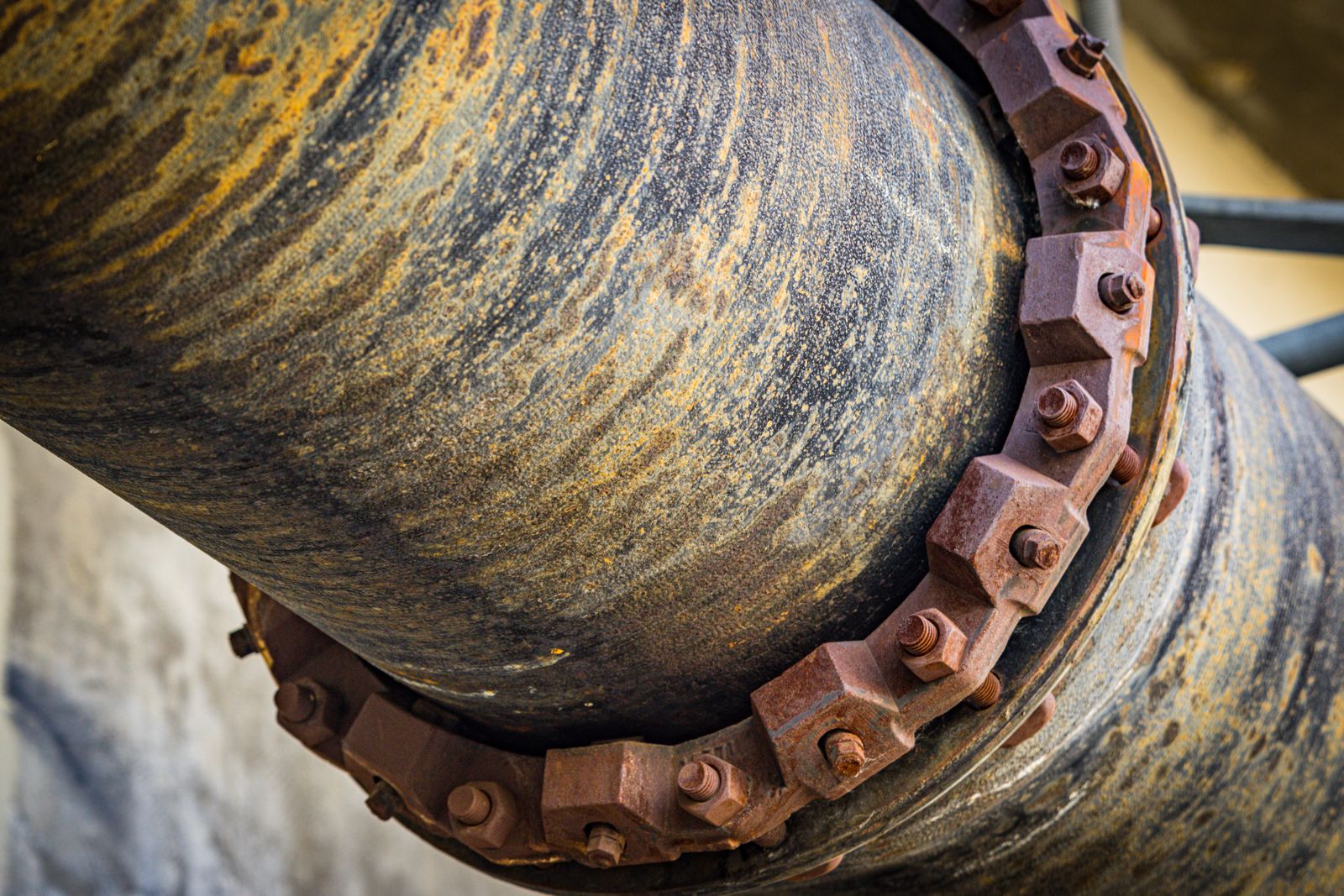
Cast iron sewer pipe replacement means taking an old cast iron sewer line that has corroded, scaled over or cracked and putting new pipe in its place. Many older Venice homes were built when cast iron was a common choice for drain and sewer lines. If your house is from the older part of town and the line has started to back up, gurgle or smell, it is worth a look inside.
Not every old pipe needs to come out, and nobody should say so without seeing it. This page explains how cast iron ages, what the options are, and what a call with a local pro looks like. We connect you with experienced local pros who work on Venice homes, and they explain the options before any work begins.
Which pipe materials turn up in Venice homes, by era
Pipe material follows the age of the house, and this is a tendency, not a rule. Homes from the boom-era 1920s and the decades after often have cast iron or clay in the lateral, the pipe that runs from the house toward the public main. Mid-century housing can add Orangeburg, a fiber pipe made from wood pulp and pitch, to the mix. Newer construction, especially the mainland subdivisions, is mostly plastic such as ABS or PVC.
Many Venice homes have been added to, repaired or partly re-piped over the years. A single line can carry cast iron near the house, clay further out and a plastic patch where someone fixed a leak long ago. That is why a street full of similar-looking houses can still have very different pipe underneath.
You cannot tell the material from the outside. The camera, the cleanout and the way the pipe enters the slab give a technician most of the clues, and the video does the rest.
How cast iron sewer pipe fails over time
Cast iron is strong, but it is not immune to the environment around it. Wastewater is harsh on the inside of the pipe, and moist, sandy soil with a high water table is not gentle on the outside. Over time the wall can corrode, flake and build up rough scale that catches paper and grease.
That scale is why corroded cast iron pipes tend to clog again and again. Each clearing opens the pipe for a while, but the rough interior snags the next load. Eventually a section can crack, sag or lose part of its wall.
Joints are another weak spot. Older cast iron was often joined with packed material that can loosen, and a loose joint lets roots and soil work their way in. If you want the full picture of how roots exploit those gaps, our page on tree roots in sewer line problems covers it.
Signs that point toward aging cast iron include:
- Slow drains and gurgling that return after clearing
- Repeated main-line clogs, with rust-colored debris on the cable
- A sewage smell near the slab or along the yard
- A camera view showing flaking, rough walls, cracks or a flattened section
None of these proves the pipe is failing. They are reasons to look inside it.
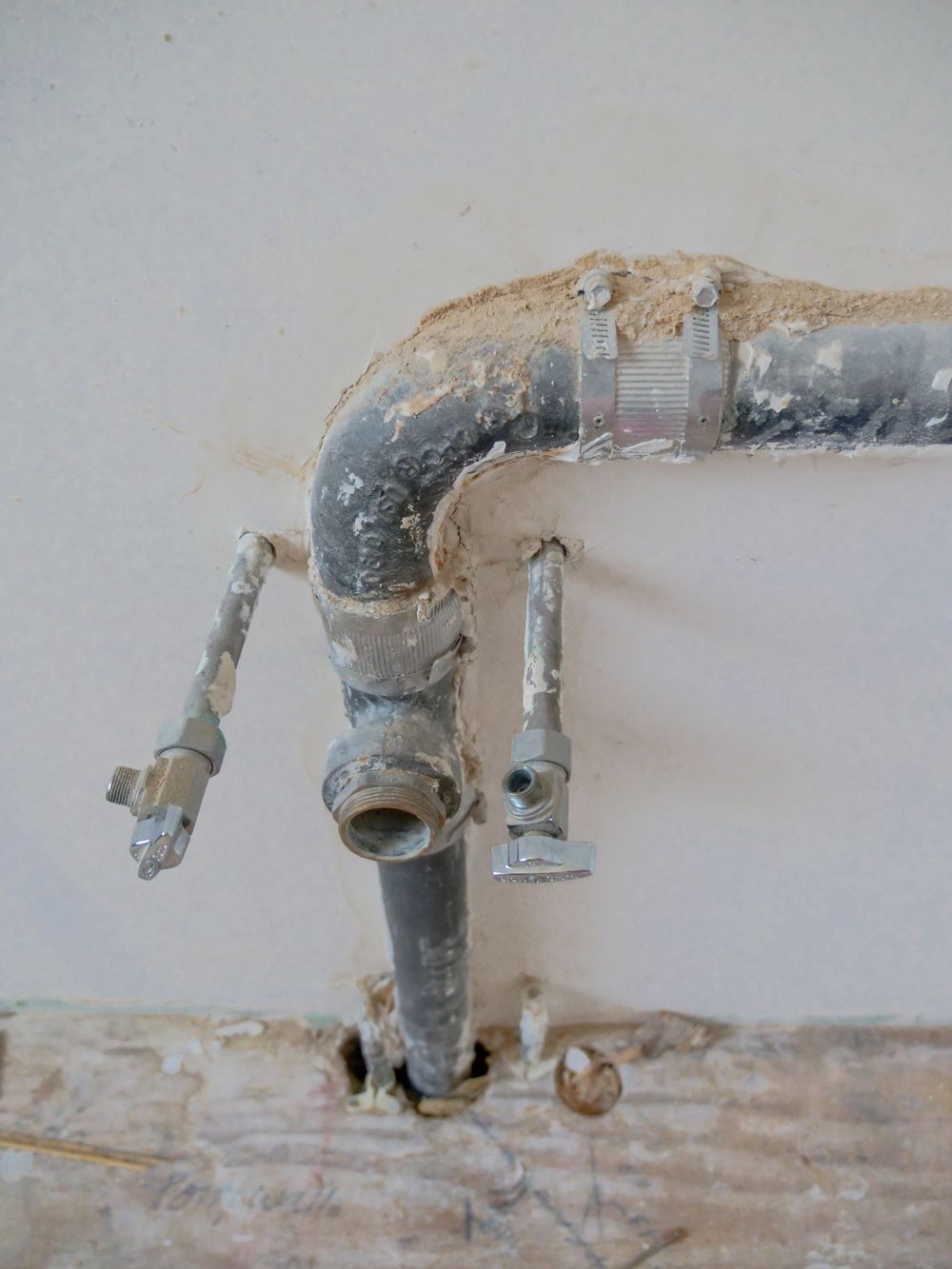
Spot repair, lining or full replacement
Once the video is on the screen, the choice is usually among three paths. Each fits a different pipe.
| Option | Often a fit when | Worth knowing |
|---|---|---|
| Spot repair | Damage is limited to one short section | The rest of the old pipe stays in service |
| Lining | The pipe is mostly intact and still follows its original path | Does not straighten a sag or restore a collapsed section |
| Full replacement | The pipe is broken, collapsed, badly corroded or sagging in several places | Gives you new pipe along the whole run |
Lining and bursting are the lower-dig options, and trenchless sewer repair explains how they work and when they do not. Heavily scaled or damaged cast iron may not be suitable for lining even after cleaning, so the camera has to decide. Old sewer pipe replacement by open trench is still the right answer for some lines, particularly those under the slab with collapsed sections.
Nobody can honestly say one option is always better. The video, the layout of the lot and what sits above the pipe all matter.
What replacement pipe is used today
Modern replacement lines are usually plastic, most often PVC or ABS, joined with solvent-welded fittings. Plastic does not corrode the way cast iron does, it is smooth inside, and it is light enough to handle in a narrow trench. In some cases a section of cast iron or a transition fitting is used where the new pipe meets the old, depending on what the technician finds.
Material choice is the technician's call based on the line, and the pro will explain what they plan to install and why. Ask about the connection points too: where the new line meets the house stub, and where it ties into the lateral running toward the main.
A replacement is also a good moment to add access to the line. If your house has no cleanout, our page on sewer cleanout installation explains why many owners add one during the work.
Cast iron sewer pipe replacement on a typical Venice lot
Venice homes are mostly slab-on-grade, on sandy soil with a high water table. That shapes cast iron sewer pipe replacement here in a few ways.
On the older island streets, the line often leaves the house under or beside the slab, then crosses a small yard with mature trees. Work near the foundation takes care, and the crew has to plan around driveways, walkways, landscaping and roots. In the historic districts the work calls for a careful hand and respect for the home, and the page on sewer issues in Edgewood shows why a look inside the pipe comes before any talk of digging.
Near the beach, the streets south of Venice Avenue have small lots and the Intracoastal close by, so groundwater can be a factor in how a trench is handled. The page on sewer blockages in Golden Beach describes the tight space on those single-family lots.
Where a line runs under the slab, a technician may choose between breaking into the floor, tunneling, rerouting around the house or, where the pipe allows it, working from outside. The camera and the locating work show which of those is realistic.
Buying or selling a home with an older sewer line
An older sewer line is not a reason to walk away from a house, and it is not a reason to relax. It is a reason to see the pipe. If you are buying a home from the older parts of Venice, a sewer scope before buying a house shows whether the line is sound, aging or already failing, which a general inspection usually does not cover.
Sellers can benefit from knowing too. A camera look before listing means you hear about cast iron problems on your own schedule instead of during someone else's deadline. Whether a repair is needed before sale is a separate question, and the answer depends on your situation and local requirements. This page is general information and not legal advice.